Basket 0 item(s) £0.00 + VAT
Call Us 01482 861 040

Prepare for the Key Changes Coming in October 2026 with our Sexual Harassment Awareness Training Course

LOLER Training Course

4.7 (99 reviews)
LOLER Training Course cert

Unlimited Resits Customer Support Instant Access

£25.00 +VAT per person

Course information
  • Certificate on Successful Completion
  • Access course on Desktop, Laptop or Tablet
  • 15 Multiple Choice Questions
  • Course Duration: 30 Minutes
  • CPD Points: 1

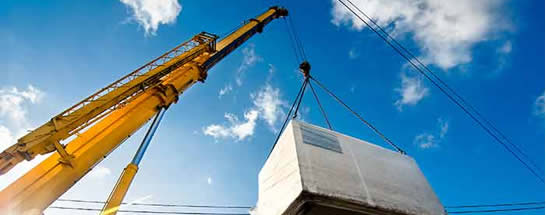
This LOLER training course will identify which lifting equipment is covered by the Lifting Operations and Lifting Equipment Regulations 1998 and what measures can be put in place to maintain safety wherever lifting equipment is used in the workplace. The course highlights the duties and responsibilities that need to be fulfilled to help recognise the risks to keep accidents to a minimum.

Employers and employees each have their duties to carry out to ensure potential hazards associated with lifting operations and lifting equipment pose no significant risks to people's health and safety.

This course will help workers whose job role involves lifting equipment by alerting them of what to be aware of by becoming familiar with LOLER requirements; the importance of planning, how to assess risks and selecting suitable lifting equipment.


  • Work towards compliance with UK Health and Safety legislation
  • Train online at your own pace with a full audio voiceover
  • Assured by RoSPA & Accredited by CPD
  • Certificate on successful completion
  • Course duration: 1 minutes
  • Unlimited resits at no cost


Discounts on Bulk Purchases

Take advantage of our bulk discounts which will reduce your overall cost of training. Better still, any courses you order can be registered to users upto two years later so there's no need to worry about training credits expiring.

Courses Purchased Discount
10+ 10%
20+ 20%
50+ 30%
75+ 40%
100+ 50%

Who is this Online LOLER Training for?

If your job role involves operating or the maintenance of lifting equipment, being familiar with LOLER, the Lifting Operations and Lifting Equipment Regulations is a much-needed course to have completed. Know the types of equipment covered to understand how to minimise the risk of an accident or incidents at the workplace when lifting operations are required.

The online training provides a good level of awareness for both employers and employers as to what LOLER requires of them. The information gained will help those working around lifting equipment operate without getting in harms way.

After completing this course you may be interested in our PUWER Training


Course Screenshots
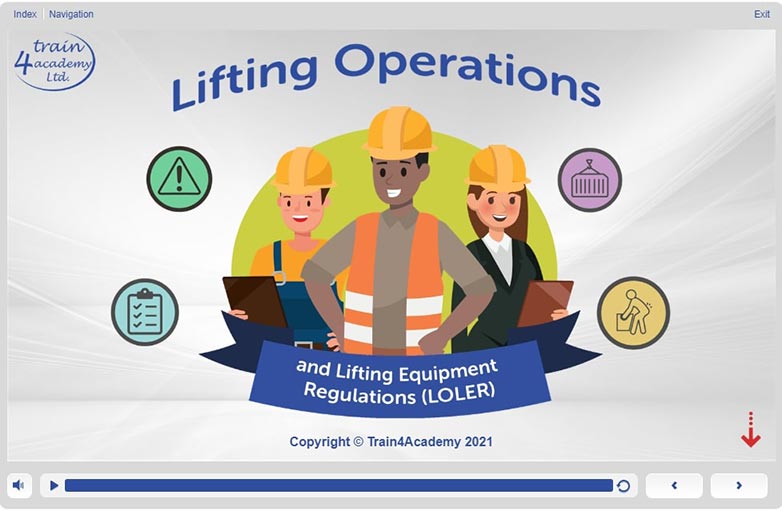
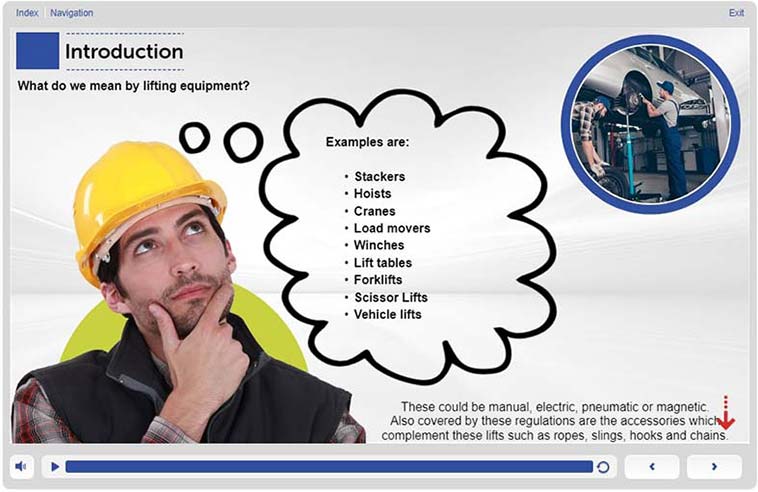
  • Introduction – Level 1 - Training in LOLER
  • What do we mean by lifting equipment? – Level 1 - Training in LOLER
  • Who does LOLER appy to? – Level 1 - Training in LOLER


Course Aim

The aim of this course is to provide you with the knowledge of Lifting Operations and Lifting Equipment Regulations. It focuses on why LOLER is important for the health and safety of those involved in operating lifting machinery.


Learning Objectives

On completion of the course, you should be able to:

  • List some examples of lifting equipment
  • Name the important regulation relating to operating lifting equipment
  • Identify some equipment that is NOT covered by LOLER
  • Identify who LOLER applies to
  • Name some other regulations that also apply to lifting devices
  • List some questions you should ask before undertaking lifting operations
  • Identify the standards of the equipment needed
  • List what the Health and Safety at Work Act requires employees to do
  • Name some questions that should be included on a LOLER check sheet
  • Identify the importance of LOLER
  • Identify what other risks there may be when performing lifting operations
  • Identify some types of lifting equipment that is used for lifting people
  • List some Dos and Don'ts in regards to LOLER
  • Give definitions of hazard and risks
  • List the 5 steps to conducting a risk assessment
  • Identify what kind of person should carry out a lifting operation
  • Identify what suitability's should be obtained before conducting any lifting equipment
  • Identify what planning is involved before conducting any lifting operations
  • Recognise why risk assessments are of high importance

Course Content

This course is made up of the following modules:

  • An Introduction to LOLER

    This section introduces the learner to the course and looks at different examples of lifting equipment; it also explains how lifting equipment and accessories which complement lifts are also covered by LOLER.

  • Module 1 - Considering the Risks

    This section of the course concentrates on the different risks that should be considered when operating lifting equipment. It also looks at who LOLER applies to, as well as other risks that may be involved when using lifting equipment and or conducting lifting operations.

  • Module 2 - Lifting Equipment Standards

    This section of the course covers the standards that should be followed, such as equipment suitability, strength and stability. It also looks at the different types of lifting equipment that can be used for lifting operations involving people and why it is important to understand the different risks that are involved.

  • Module 3 - Lifting Equipment Standards

    This section of the course covers the standards that should be followed, such as equipment suitability, strength and stability. It also looks at the different types of lifting equipment that can be used for lifting operations involving people and why it is important to understand the different risks that are involved.

  • Module 4 - Risk Assessments and Equipment Inspections

    In this final section, you will cover the importance of a 5 step risk assessment and why producing risk assessments are necessary when it comes to lifting operations. It also looks at the importance of regular examination and inspection of equipment and what to do if a fault is discovered.

Download Course Overview (PDF)

Assessment

On completion of the course lessons and training material an online assessment will automatically unlock. The assessment will contain 15 multiple-choice questions and a mark of 75% or above will be required to pass.

The assessment will be marked instantly and so you will know straight away if you have passed or not. If you don't pass first time there's no need to worry. Unlimited resits at absolutely no additional charge are available so you can retake the assessment again as many times as you need to.


LOLER Training Certification

Our entire library of training courses is accredited by the CPD Certification Service as adhering to the universally recognised Continuing Professional Development (CPD) guidelines.

This training course and its content has also been assured by RoSPA, the Royal Society for the Prevention of Accidents.
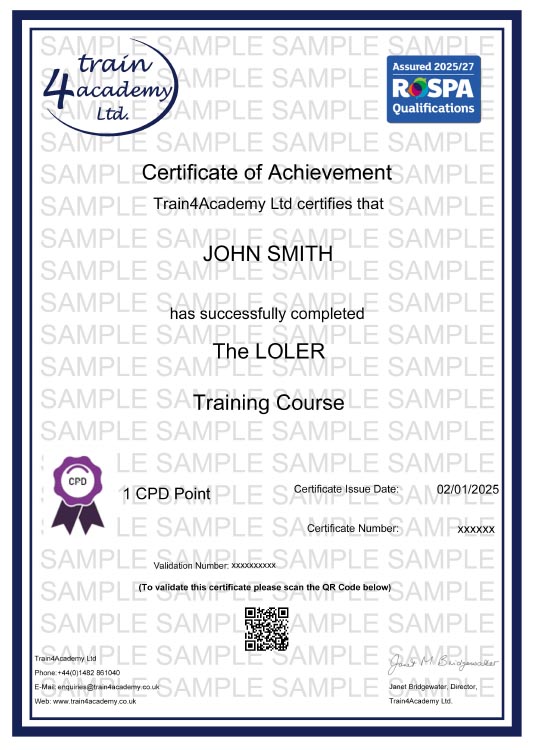
LOLER - Certificate Example

Upon passing the online assessment you will have the options to both print and download your LOLER Training Certificate in PDF format. In addition to this an automated email will also be sent to your chosen email address containing a link to your certificate ensuring you always have access to a copy.

Furthermore, a QR code is displayed on each certificate which when scanned by a smartphone links to our certification database. This allows employers, auditors and local authority inspectors, for example, to establish a certificates validity instantly and at any time.


Common LOLER Training Questions

The Lifting Operations and Lifting Equipment Regulations 1998 (LOLER) apply to any equipment used for lifting or lowering loads as part of a work activity. This includes both the lifting equipment itself and any accessories used during lifting operations.

Examples of equipment covered by LOLER include:

  • Cranes and mobile cranes
  • Forklift trucks used for lifting loads
  • Hoists and chain blocks
  • Vehicle lifts and passenger lifts used in the workplace
  • Slings, chains, ropes and lifting beams
  • Shackles, eyebolts and other lifting accessories
  • Winches and lifting platforms
  • Excavators and telehandlers when used for lifting operations

LOLER also applies to lifting accessories, which are components used to attach loads to lifting equipment. These items must be thoroughly examined and maintained just as carefully as the lifting equipment itself.

Not all work equipment falls under LOLER. Equipment that does not lift or lower loads may instead be covered by the Provision and Use of Work Equipment Regulations (PUWER), which sets out broader requirements for the safe use, maintenance and inspection of workplace equipment.

Understanding which equipment is covered by LOLER helps employers ensure that lifting operations are properly planned, lifting equipment is suitable for its intended use, and all statutory inspection and maintenance requirements are met to keep employees and others safe.

Under the Lifting Operations and Lifting Equipment Regulations 1998 (LOLER), all lifting equipment must be regularly inspected to ensure it remains safe to use. In addition to routine maintenance and pre-use checks, the regulations require lifting equipment to undergo a thorough examination by a competent person at specified intervals.

As a general guide:

  • Every 6 months for lifting equipment and accessories used to lift people, and for lifting accessories such as slings, chains and shackles.
  • Every 12 months for lifting equipment used only to lift goods, such as certain cranes, hoists and forklift attachments.
  • After exceptional circumstances, such as damage, overloading, significant modifications or prolonged periods out of use, before the equipment is returned to service.

A competent person may also recommend more frequent examinations based on factors such as the type of equipment, how often it is used, the working environment and the level of risk involved.

Regular inspections help identify defects before they become safety hazards, ensuring lifting operations remain compliant with LOLER and reducing the risk of accidents, equipment failure and costly downtime.

Under the Lifting Operations and Lifting Equipment Regulations 1998 (LOLER), a competent person is someone with the appropriate knowledge, practical experience and technical expertise to carry out thorough examinations of lifting equipment and identify any defects that could affect its safe operation.

There is no single qualification that makes someone a competent person. Instead, competence is determined by a combination of factors, including relevant training, experience, an understanding of lifting equipment and its intended use, and the ability to recognise potential hazards or signs of wear and damage.

The competent person must also be sufficiently independent and impartial to make objective decisions about whether equipment is safe to remain in service. In many organisations, this may be an external inspection specialist or a suitably qualified in-house engineer, provided they have the necessary expertise and authority.

Employers are responsible for ensuring that anyone appointed as a competent person has the skills and knowledge required to carry out thorough examinations in accordance with LOLER. Choosing the right individual helps ensure lifting equipment remains safe, compliant and fit for use, reducing the risk of equipment failure and workplace accidents.

LOLER (Lifting Operations and Lifting Equipment Regulations 1998) and PUWER (Provision and Use of Work Equipment Regulations 1998) are both important pieces of UK health and safety legislation, but they cover different aspects of workplace equipment.

Regulation What it Covers Primary Focus
PUWER Almost all work equipment used by employees, including machinery, tools, vehicles and other workplace equipment. Ensures equipment is suitable for its intended purpose, properly maintained and safe to use.
LOLER Lifting equipment and lifting operations. Requires lifting equipment to be properly planned, used safely, thoroughly examined by a competent person and regularly inspected.

In many workplaces, both sets of regulations apply to the same equipment. For example, a crane, hoist or forklift truck used for lifting loads must meet the general safety requirements of PUWER, while also complying with the additional inspection, examination and lifting operation requirements set out under LOLER.

Understanding the difference between LOLER and PUWER helps employers ensure they meet their legal responsibilities, maintain safe working practices and protect employees during lifting operations.

Failure to comply with the Lifting Operations and Lifting Equipment Regulations 1998 (LOLER) can have serious consequences for both employers and employees. The regulations are designed to ensure lifting equipment is safe to use, properly maintained and regularly examined, helping to prevent accidents and injuries in the workplace.

If an employer fails to meet their legal responsibilities, they could face:

  • Improvement Notices – requiring safety issues to be addressed within a specified timeframe.
  • Prohibition Notices – preventing unsafe lifting equipment or lifting operations from continuing until risks have been removed.
  • Prosecution – for serious breaches of health and safety legislation.
  • Financial Penalties – including significant fines depending on the severity of the offence.

Non-compliance can also lead to wider business consequences, including:

  • Increased risk of equipment failure.
  • Dropped loads and serious workplace accidents.
  • Employee injuries.
  • Operational downtime and project delays.
  • Damage to equipment and property.
  • Reputational damage.
  • Higher insurance and investigation costs.

By ensuring lifting equipment is thoroughly examined by a competent person, properly maintained and used as part of well-planned lifting operations, employers can meet their obligations under LOLER, protect their workforce and create a safer working environment.


The Importance of LOLER Training

LOLER training helps employers and employees understand how to carry out lifting operations safely and in accordance with the Lifting Operations and Lifting Equipment Regulations 1998 (LOLER). By improving knowledge of legal requirements and best practice, the training reduces workplace risks and helps create a safer working environment.

Key benefits of LOLER training include:

  • Improved workplace safety – Reduces the likelihood of accidents, injuries and dropped loads during lifting operations.
  • Better hazard awareness – Helps employees recognise potential risks before they become serious incidents.
  • Legal compliance – Supports compliance with LOLER by ensuring lifting operations are properly planned and carried out safely.
  • Safer use of lifting equipment – Promotes the correct selection, inspection and use of lifting equipment and lifting accessories.
  • Greater employee confidence – Gives workers the knowledge to carry out lifting tasks safely and follow recognised best practices.
  • Reduced equipment failure – Encourages routine inspections, maintenance and thorough examinations to identify defects early.
  • Stronger safety culture – Reinforces the importance of planning, communication and shared responsibility for workplace health and safety.

LOLER training also covers essential topics such as:

  • Safe lifting procedures
  • Equipment selection
  • Risk assessments
  • Safe Working Loads (SWL)
  • Inspection requirements
  • Thorough examinations
  • Employer and employee responsibilities

Whether you are planning lifting operations, supervising staff or operating lifting equipment, LOLER training provides the knowledge and practical understanding needed to work safely, reduce risks and support ongoing compliance with workplace health and safety legislation.

LOLER training is suitable for anyone involved in planning, supervising, managing or carrying out lifting operations in the workplace. It is particularly beneficial for individuals who use lifting equipment as part of their role or who are responsible for ensuring lifting activities are carried out safely and in compliance with the Lifting Operations and Lifting Equipment Regulations 1998 (LOLER).

This includes:

  • Site managers and supervisors
  • Health and safety professionals
  • Warehouse and logistics staff
  • Construction workers
  • Crane, hoist and forklift operators
  • Maintenance engineers and techniciansv
  • Anyone responsible for inspecting or managing lifting equipment
  • Employers with responsibility for workplace health and safety

LOLER training is relevant across a wide range of industries, including construction, manufacturing, warehousing, logistics, engineering, agriculture and facilities management. Even if you do not operate lifting equipment directly, understanding your legal responsibilities and the principles of safe lifting can help reduce risks and improve workplace safety.

By completing LOLER training, learners gain the knowledge needed to identify potential hazards, understand inspection requirements, support safe lifting operations and help ensure lifting equipment is used correctly and maintained in accordance with current legislation.

LOLER training helps employers understand and meet their legal duties under the Lifting Operations and Lifting Equipment Regulations 1998 (LOLER). By providing a clear understanding of the regulations and recognised safe working practices, the training enables employers to plan and manage lifting operations safely while reducing the risk of accidents and non-compliance.

LOLER training helps employers to:

  • Select suitable lifting equipment for each task.
  • Ensure lifting equipment is properly maintained.
  • Arrange thorough examinations by a competent person.
  • Carry out suitable risk assessments before lifting operations.
  • Provide employees with adequate information, instruction and training.
  • Establish safe systems of work.
  • Plan, supervise and monitor lifting operations safely.
  • Meet wider workplace health and safety responsibilities.

By investing in LOLER training, employers can demonstrate a proactive approach to health and safety, helping to reduce the likelihood of equipment failure, workplace injuries and enforcement action while creating a safer working environment.

LOLER training provides employees with the knowledge and confidence to carry out lifting operations safely, helping to reduce the risk of accidents and ensure compliance with the Lifting Operations and Lifting Equipment Regulations 1998 (LOLER). By understanding how to use lifting equipment correctly and recognise potential hazards, employees can contribute to a safer working environment for themselves and their colleagues.

By completing LOLER training, employees can:

  • Carry out lifting operations more safely and confidently.
  • Recognise workplace hazards before they lead to accidents.
  • Reduce the risk of injuries and equipment damage.
  • Understand their legal responsibilities when using lifting equipment.
  • Improve efficiency by following safe working practices.
  • Support a safer workplace for colleagues and visitors.

LOLER training also helps employees understand:

  • Safe lifting procedures.
  • Equipment inspections and maintenance checks.
  • Risk assessments.
  • Safe Working Loads (SWL).
  • How to report damaged or defective equipment.
  • Why lifting operations must be properly planned and supervised.

Ultimately, LOLER training supports both personal safety and professional development by giving employees a better understanding of lifting equipment, legal requirements and industry best practice for safe lifting operations across a wide range of working environments.


Course Reviews

4.7.

(99 reviews)

Read more reviews


Related Online Training Courses

  • cert
    Provision and Use of Work Equipment Regulations (PUWER)
    £25.00 +VAT

    The PUWER Regulations pace duties and responsibilities on those who use work equipment whether they own that equipment or not, and on the employees who use the equipment. These tools, often powered by electricity or hydraulics, are often extremely dangerous and must be handled by trained employees..

  • Risk Assessment (Understanding)

    £25.00 +VAT

    For every task that must be undertaken in the workplace it is a legal requirement that a risk assessment must be completed to highlight any hazards that may be encountered. This course will help those responsible for completing risk assessments to do the task successfully. .

LOLER Training cert

4.7 (99 reviews)

£25.00 +VAT per person

Discounts on bulk purchases
  • 10% Discount 10+ courses
  • 20% Discount 20+ courses
  • 30% Discount 50+ courses
  • 40% Discount 75+ courses
  • 50% Discount 100+ courses
  • Compare plans & pricing

Training 10 or more people? Let us quote you

Training Management Suite (TMS) included
with orders of 5 or more courses.

Course information
  • Certificate on Successful Completion
  • Access course on Desktop, Laptop or Tablet
  • 15 Multiple Choice Questions
  • Course Duration: 30 Minutes
  • CPD Points: 1


Frequently Asked Questions

Our training is completed online, using only a web browser.

After choosing the courses and completing the online transaction, you'll recieve an email providing access to the course. Use the details to register the course yourself or if it's for someone else, simply forward the email on.

Purchasing training for your team is simple.

Just add the courses you need to your basket and complete the checkout process. If you're purchasing 5 or more courses, we'll provide you with access to our Training Management System (TMS).

The TMS gives you full control over your learners, allowing you to enrol staff, monitor progress, track completion rates, and download certificates.

Once your account is set up, we're happy to show you around the system and help you get the most from its features. If you have any questions, our support team is always here to help at support@train4academy.co.uk.

Yes. We offer automatic discounts on larger orders, and any applicable discount will be applied instantly at checkout across all courses in the basket.

Depending on the number of courses purchased we provide the following discounts below. If you're looking to purchase a higher volume, please contact us and we'll be happy to discuss additional volume discounts.

  • Purchase 10+ courses and recieve 10%
  • Purchase 20+ courses and recieve 20%
  • Purchase 50+ courses and recieve 30%
  • Purchase 75+ courses and recieve 40%
  • Purchase 100+ courses and recieve 50%

Our training can be purchased easily using a debit or credit card.

If you're purchasing a larger volume of training and would prefer to be invoiced, please contact us on 01482 861 040 or email enquiries@train4academy.co.uk.

Our training is designed to fit around your schedule. Everybody receives 2 years from date of purchase, so there's no rush to complete your training course.

You can work through the training at your own pace, pause whenever you need to, and return whenever it's convenient. Your progress is automatically saved, allowing you to pick up exactly where you left off.

Even after you've successfully passed the assessment, you'll still be able to access the training materials whenever you need to refresh your knowledge

Read further FAQ