
What is Cold Stress?
03/02/2026
Do you remember handling snow with bare hands when you were younger? What often followed was sharp pain, tingling, and fingers that no longer worked properly. That temporary loss of dexterity is a mild example of cold stress.
In the workplace, however, prolonged exposure to cold conditions can have far more serious consequences, affecting health, safety, decision-making, and productivity.

Understanding cold stress for your place at work
Jobs that involve working in cold environments, whether indoors or outdoors, require a clear understanding of what cold stress is, how it develops, and how it can be prevented.
Understanding Cold stress
Cold stress occurs when the body loses heat faster than it can produce it, causing a drop in core body temperature. When this happens, the body begins to struggle to maintain normal physical and mental functions.
Cold stress is most likely to occur in environments where temperatures remain low for extended periods, such as:
- Cold stores and freezers
- Refrigerated warehouses
- Outdoor work during cold or winter weather
Without appropriate controls and intervention, prolonged exposure to cold conditions can lead to serious health risks and increased workplace accidents.
Fine motor skills, reaction time, and decision-making, all critical for safe working can begin to decline at temperatures below 10°C.
Grip strength can reduce by 20-30% in cold conditions, even before a person feels very cold
Recognising the Symptoms of Cold Stress
The most common and noticeable early symptom of cold stress is shivering. Shivering is the body's natural response to generate heat and slow the drop in core body temperature. With continued cold exposure, shivering may become intense or uncontrollable. As hypothermia progresses to moderate or severe stages, shivering may decrease or stop altogether. If cold exposure continues without appropriate action, symptoms can worsen and become life-threatening.
A simple way to understand how cold stress develops is this chain of events: Cold Clumsy Confused Collapse
Typical Order of Cold Stress Symptoms
| Order | What Happens | What This Means |
|---|---|---|
| 1 | Feeling cold / discomfort | Body starts losing heat |
| 2 | Shivering | Body trying to warm itself |
| 3 | Cold or numb fingers and toes | Reduced blood flow |
| 4 | Loss of hand control / clumsiness | Muscles and nerves affected |
| 5 | Slowed thinking or confusion | Brain cooling |
| 6 | Extreme tiredness | Energy reserves dropping |
| 7 | Shivering slows or stops | Medical emergency |
| 8 | Loss of consciousness | Severe hypothermia |
Shivering, clumsiness, and slowed reactions can appear first, meaning workers may already be at risk before they realise there is a problem.
What Causes Cold Stress at Work

Breaks are also a safety measure to reduce cold stress exposure
Cold stress at work is caused by sustained exposure to low temperatures, particularly where appropriate controls are not in place.
Factors that increase the risk include:
- Long working periods in cold environments
- Inadequate protective clothing
- Limited warm breaks or shelter
- Tasks requiring fine motor control or concentration
As exposure continues, handling tools, maintaining balance, and making safe decisions all become more difficult, increasing the likelihood of accidents.
If PPE becomes wet or traps sweat, it can increase the rate of heat loss and contribute to cold stress rather than prevent it.
What Happens If Cold Stress Is Ignored?
Cold stress can quickly turn routine tasks into hazardous situations.
| Scenario | Situation | How it Becomes Dangerous | Health Impact |
|---|---|---|---|
| Using a power drill outdoors in freezing conditions | A construction worker drills metal beams at -5°C wearing regular gloves | Cold reduces hand dexterity and grip ? drill slips ? hits other hand | Laceration; cold exposure can worsen tissue damage, delay healing, risk of frostbite |
Reduced dexterity, slower reactions, and poor grip control significantly increase accident risk, particularly when working with tools or machinery.
Cold-stressed workers are more likely to slip, trip or fall, even dropping tools.
Cold Conditions and Safety Performance

Understanding cold stress for your place at work
Continuous, untreated exposure to cold affects both physical ability and mental performance. As mobility and coordination decline, safety risks increase.
| Temperature range | Impact on safety function |
|---|---|
| 10-16°C | Reduced dexterity, cold hands affect grip and tool use |
| 5-10°C | Slower reaction times, reduced concentration |
| 0-5°C | Increased accident risk, stiff joints, poor fine motor control |
| Below 0°C | High risk: numbness, loss of coordination, cold stress, hypothermia |
The body uses more energy to maintain core temperature, leading to quicker exhaustion.
Who Is at Risk of Cold Stress?
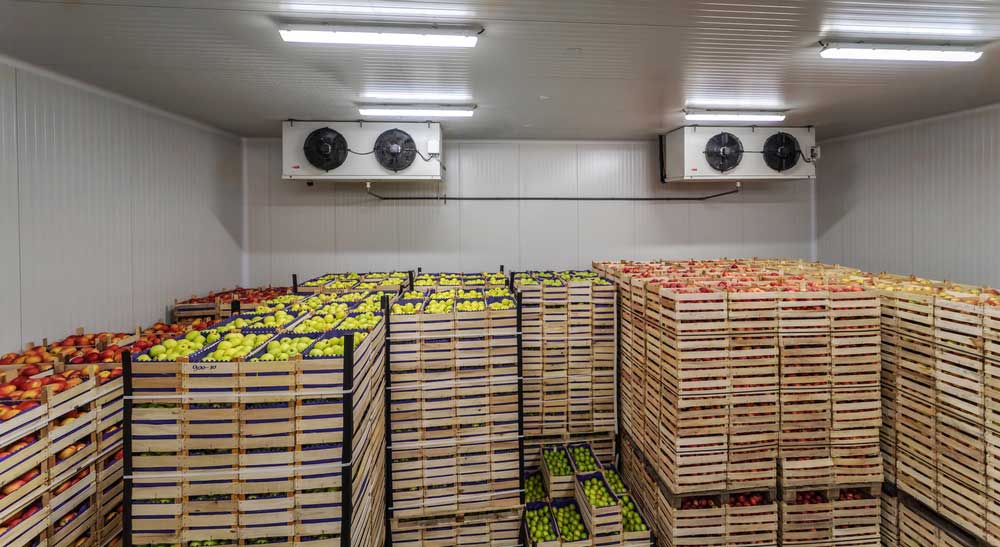
Walking in and out of cold storerooms, workers need to follow guidance
Anyone who spends a significant portion of their working day in cold conditions is at increased risk. Individual factors such as age, fitness, and existing health conditions can also affect how quickly cold stress develops.
Common industries and roles at risk include:
- Food and drink production
- Warehousing and distribution
- Retail (freezer and chilled areas)
- Manufacturing and engineering
- Construction and infrastructure work
Minimum Temperature Guidance (UK)
While there is no fixed legal minimum temperature for many cold environments, employers must take reasonable steps to ensure working conditions are safe and suitable.
| Work Type / Environment | Minimum Temperature Guidance | Notes / Employer Duties |
|---|---|---|
| Sedentary indoor work (office, desk) | 16°C (61°F) | Employers must provide heating if temperature falls below this. |
| Light physical indoor work (lab, retail) | 16°C recommended, slightly lower may be acceptable | Breaks and warm clothing if needed. |
| Heavy physical indoor work (manual labour, warehouse) | 12°C or higher acceptable | Because activity generates heat; still need risk assessment. |
| Cold storage / freezers | No fixed minimum legally, but risk assessment required | Protective clothing required; work/rest cycles to prevent hypothermia. |
| Outdoor work in cold weather | No fixed legal number; generally -10°C or lower is hazardous | Employers must provide PPE, shelter, and adjust work schedules. |
| Extreme cold conditions | - | Employers must implement a cold risk assessment, provide warming areas, and train workers to recognise cold stress. |
Breaks, rotation, and access to warm areas are critical for prevention.
Effects of Working in Cold Conditions

Lack of hand control is a prolonged cold exposure symptom
Prolonged cold exposure can lead to:
- Numbness and stiffness, particularly in fingers and hands
- Reduced manual dexterity and muscle control
- Slower thinking and reduced concentration
- Increased errors, accidents, and poor judgement
Over time, cold conditions can also affect productivity, increase sickness absence, and raise the risk of injury and illness.
How Can Cold Stress Be Prevented?
Although cold stress cannot be eliminated, it can be reduced to very low levels through effective planning, suitable equipment, and safe working practices.
Key prevention measures include:
- Carrying out cold-specific risk assessments
- Wearing suitable thermal and weatherproof clothing
- Planning work and monitoring conditions
- Taking regular warm breaks
- Encouraging early reporting of symptoms
- Using safe systems of work
- Maintaining good nutrition and hydration
A simple approach to managing cold exposure is: Assess Control Monitor Support
Cold Stress Risk Assessment
A cold exposure assessment aims to determine how long employees can safely and comfortably perform their work while reducing risk as much as possible. It identifies hazards and ensures work can be carried out safely.
Cold risk assessments focus on preventing conditions such as hypothermia, frostbite, and other cold-related health problems. Cold exposure does not just cause discomfort; it can impair coordination, grip strength, and reaction times, increasing the likelihood of accidents such as slips, trips, and falls.
Carrying out an effective cold risk assessment helps ensure employees have appropriate PPE and adequate breaks, reducing workplace injuries.
Alongside protecting staff safety, risk assessments can also improve productivity and compliance. They demonstrate that the organisation is meeting regulatory obligations and shows a commitment to employee wellbeing.
A cold stress risk assessment should:
- Identify who is exposed and for how long
- Consider environmental and work-related factors
- Assess health risks and vulnerable workers
- Apply appropriate control measures
- Inform, instruct, and train workers
- Monitor conditions and review controls
Sharing findings with workers and supervisor's helps ensure risks are understood and managed effectively.
Working Safely in Cold Weather
Those working outdoors, such as road and highway workers, civil engineering crews, and agricultural workers, are at higher risk because environmental conditions can change rapidly. However, the same principles apply as when working in cold indoor environments.
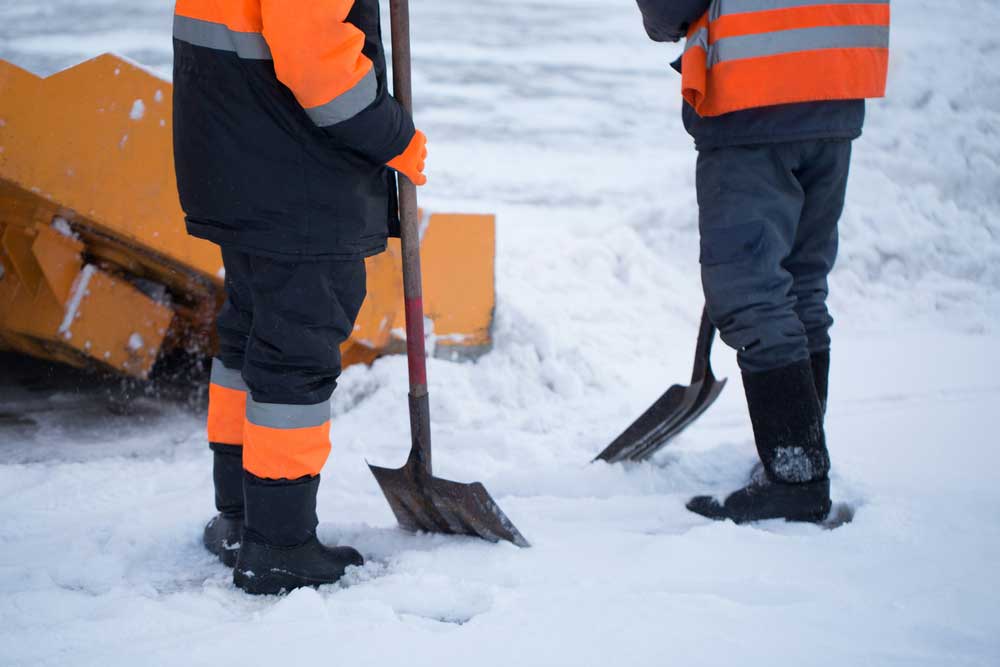
Cold stress risks are higher working outside
Safe practices for working in cold weather include:
- Wearing suitable PPE and layered clothing
- Taking regular recovery breaks
- Keeping walkways clear to reduce slips
- Using tools suitable for cold conditions
- Being aware of personal and worker health
Cold Stress Training
Cold stress training helps workers and managers recognise early symptoms, understand risk factors, and apply practical control measures when working in cold environments. A Working in Cold Conditions course supports safer decision-making, helps reduce accidents, and assists employers in meeting workplace health and safety responsibilities.
Recognising early sings can prevent accidents. Even though you may feel okay, your body might already be under cold stress.
