The Importance of a COSHH Assessment in the Workplace
05/09/2019
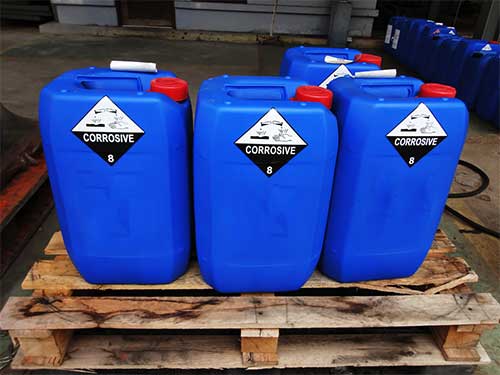
If risks increase, the assessment must be reviewed & upgraded
COSHH stands for Control of Substances Hazardous to Health and is a piece of UK legislation designed to ensure employers do their utmost to prevent or minimize their workforce being exposed to hazardous substances.
Employers, managers or supervisors need to put precautions in place to reduce any potential risk to an employee's health. Implementing a COSHH assessment into the running of a business will help employees to highlight the risks that are involved when it comes to handling hazardous substances and how to put into action the correct safety measures.
According the to the HSE, an estimation of 1.9 million workers in Great Britain suffered from work-related ill health between 2024 to 2025, and about 11,000 lung-disease deaths each year are estimated to be caused by exposure to hazardous subtances. These figures highlight how crucial COSHH assessments are in protecting employees.
A real-world example of implementing a COSHH Assessment
A company called XYZ Manufacturing Ltd uses industrial cleaning chemical (Sodium Hypochlorite - Industrial Bleach) to clean the production machinery at the end of each working day. This substance is classified as hazardous and may cause skin irritation, eye damage or breathing difficulties if employees are exposed to them.
To protect employee's health, the Production Manager, in consultation with the Health and Safety Officer carries out a COSHH assessment. The assessment identifies which employees may be exposed, how exposure could occur, and the level of risk involved when using the substances.
As a result of the assessment, control measures are implemented, including the of safe working procedures, improved ventilation in cleaning areas, the provision of suitable personal protective equipment (such as gloves and eye protection), and mandatory training for employees who handle the chemicals. Because the substances are used frequently and present a higher level of risk than general cleaning products, the COSHH assessment is detailed and reviewed regularly to ensure the control measures remain effective and employees continue to be protected.
a basic COSHH assessment Sample
- Company Name
- XYZ Manufacturing Ltd
- Location:
- Production Area
- Assessor:
- J. Smith (Production Supervisor)
- Date of Assessment:
- 12 June 2026
- Review Date:
- 12 June 2027
Substance Details
- Substance Name:
- General Purpose Degreasing Cleaner
- Supplier:
- Green CleanSafe Ltd
- Hazard Classification:
- Irritant
- Safety Data Sheet (SDS):
- Available on site
Who May Be Harmed?
- Production operatives
- Cleaning staff
How Could Harm Occur?
- Skin contact when handling the product
- Eye contact from splashes
- Inhalation of vapours in poorly ventilated areas
Existing Control Measures
- Product used in small quantities only
- Used in a well-ventilated area
- Manufacturer's instructions followed
- Protective gloves worn during use
- Eye protection available if splashing is likely
Further Control Measures Required?
- Yes
- No [X]
Emergency procedures
- Skin contact: Wash with water
- Eye contact: Rinse with clean water for at least 10 minutes
- Spill: Wipe up immediately and dispose of safely
Training Requirements
- Employees instructed on safe use
- COSHH awareness provided during induction
Assessment Outcome
- Risk Level: Low
- Assessment Type: Basic COSHH Assessment
Assessor Signature:
- J. Smith
- Date: 12 June 2026
Many industries work with various substances that can be considered hazardous to health, especially if precautions are not taken. If your business handles or uses hazardous substances in the workplace, you as an employer have a duty to ensure that all staff are working safely under the COSHH Regulations 2002.
Employers can prevent or minimise exposure where possible by replacing strong chemicals with a less hazardous or diluted alternatives.
Gaining an understanding of the COSHH regulation can be the first step in creating a successful assessment, and this may be achieved by undertaking online COSHH training. Ensuring that you and your employees are trained within COSHH will give you an advantage in preventing or minimising the associated risks.
Some employees may handle substances without being aware that the substance is even hazardous and could cause harm to health, such as some baking ingredients. Due to this, training is vital to ensuring that all persons in the workplace hold the appropriate knowledge of what hazardous substances are, how they can negatively affect health, and how to protect themselves from risk.
COSHH assessments encourage a proactive approach by reviewing the substances in use & ensure controls that in place remain effective.
What is a COSHH Assessment and Why is it Important?
A COSHH assessment can be used as a tool to help employers identify certain hazardous substances that are used within the workplace. Overall, an assessment can be seen as a detailed risk assessment that concentrates on the exposure of hazardous substances within a place of work.
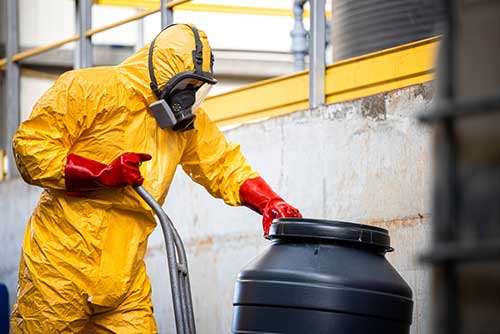
Reducing exposure to chemicals can be as simple as providing PPE
Once hazards are identified, it will allow an employer to put appropriate safety measures in place to ensure that the risk to the workers' health is reduced or avoided. These safety measures could include, the use of extraction, minimising exposure time, implementing the use of PPE or removing the substance completely.
Creating a successful COSHH assessment will consist of the following steps:
- 1. Identify the hazards
- 2. Determine who may be harmed and how
- 3. Assess the risks and consider control measures
- 4. Record the results and implement the control measures
- 5. Monitor operations and review your COSHH assessment
COSHH assessments must be proportionate to the risk. If the risk increases then a basic assessment must be reviewed and upgraded to an advanced one.
Once you have completed your assessment, it will benefit your business in many ways, as it can protect you legally but most importantly, protect workers' health. As mentioned previously in this article, the employer has an essential duty to ensure that all members of staff are working safely when it comes to handling hazardous substances.
It should be the highest priority of an employer to ensure that the health of their workers is never put at risk through business operations. Exposure to hazardous substances can cause detrimental effects to a worker's health and could result in life-changing consequences.

Suitable control measures in place can protect employees
If a person is mishandling a hazardous substance, depending on the nature of the substance, it could lead to serious health consequences such as:
- 1. Cancer
- 2. Lung disease
- 3. Burns to the skin
- 4. Skin diseases
It is, therefore, the highest importance that a COSHH assessment is carried out within a business and continuously monitored.
Choosing the Competent Person to Carry Out the Assessment
Establishing the correct person to carry out a COSHH risk assessment can require some thought. Undertaking a COSHH risk assessment is an important responsibility, and so the person who is nominated for the task must hold the correct knowledge and competency to do it correctly. This person could be yourself as an employer, an outside consultant or an employee knowledgeable in COSHH regulations such as a supervisor or manager.
The HSE's step by step guide can help you identify the best candidate to carry out COSHH Assessment.
However, the nature of your business could dictate your decision of the person who may partake in carrying out the COSHH assessment. For example, if your business is larger and holds several complexities and risks, using competent health and safety practitioners or hiring third-party consultants to help with your COSHH assessment may be a proactive decision to ensure that all precautionary measures are undertaken.
What are the substances that can be considered hazardous?
Identifying hazardous substances is the first step that is undertaken in a COSHH assessment. As mentioned previously, some substances can cause harm to health without many people being aware that it is even harmful, and these types of substances don't necessarily have to be labelled as 'hazardous'.
The following substances that COSHH covers include:
- 1. Chemicals
- 2. Products containing chemicals (such as cleaning products)
- 3. Vapours, fumes, mists and dust
- 4. Gases
- 5. Allergens and Microorganisms
Some of these substances may only cause minor injuries, such as skin irritation, but other repercussions of handling these substances can be serious and life-threatening.
Related resources
Understanding COSHH
- Assured by RoSPA & Accredited by CPD
- Certificate on successful completion
- Unlimited resits at no cost